It’s a sweltering summer evening in Phoenix, and a fatal accident has occurred on the highway. The police and emergency responders have completed their work, and now it’s time for the trauma cleanup team to step in. As a certified biohazard and trauma scene cleanup expert, I’ve seen my fair share of devastating scenes like this. The vehicle, once a symbol of freedom and adventure, now sits as a grim reminder of the tragedy that has unfolded. How do Phoenix trauma cleanup teams handle vehicles after fatal accidents? It’s a complex and delicate process that requires specialized training, equipment, and attention to detail.
The first step is to assess the scene and determine the extent of the damage. This includes evaluating the vehicle’s condition, the surrounding area, and any potential hazards that may be present. The trauma cleanup team must also consider the emotional toll that the scene may have on the family and loved ones of the victim. It’s a difficult and sensitive situation, and the team must approach it with compassion and respect. For more information on what happens after the police leave, visit our page on Trauma Cleanup What Happens After Police Leave.
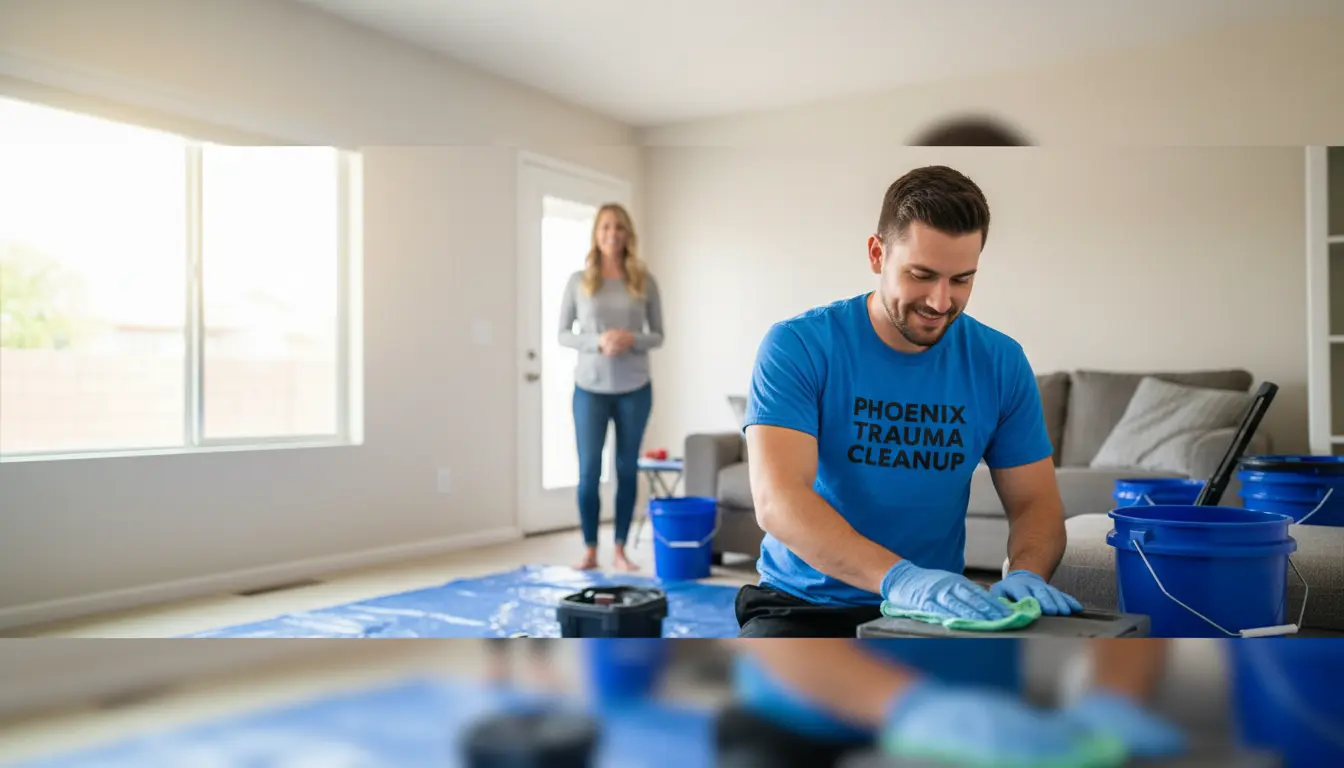
The team will then begin the process of cleaning and disinfecting the vehicle, using specialized equipment and techniques to remove any blood, bodily fluids, or other hazardous materials. This is a critical step in preventing the spread of disease and ensuring that the vehicle is safe for future use. The team must also take steps to prevent cross-contamination, using personal protective equipment (PPE) and following strict protocols to prevent the spread of pathogens. If you’re in need of biohazard cleanup services in areas like Chandler or Downtown Phoenix, our team is here to help.
Technical Process
The technical process of trauma cleanup is complex and requires a high degree of expertise. The team must be trained in the use of specialized equipment, such as HEPA air scrubbers and hydroxyl generators, which are used to remove airborne pathogens and neutralize odors. The team must also be knowledgeable about the scientific principles behind the cleanup process, including the importance of enzymatic digestion and ATP testing. For a more detailed guide on trauma cleanup, visit our Ultimate Guide to Trauma Cleanup in Phoenix, AZ.
The team will also use ULV foggers to apply a disinfectant solution to all surfaces, ensuring that any remaining pathogens are eliminated. This is a critical step in preventing the spread of disease and ensuring that the vehicle is safe for future use. The team must also take steps to prevent structural damage, using techniques such as structural tear-out and reconstruction prep to repair any damaged areas. If you’re looking for tips on aftermath cleanup, check out our 7 Essential Tips for Aftermath Cleanup in AZ.
Data Comparison Table
When it comes to trauma cleanup, it’s essential to understand the differences between professional remediation and standard DIY or janitorial cleaning. The following table highlights some of the key differences:
| Feature/Metric | Professional Remediation | DIY/Standard Cleaning |
|---|---|---|
| Pathogen Eradication | 99.99% | 50-70% |
| Odor Elimination | 100% | 50-70% |
| Legal/Disposal Compliance | 100% | 0-50% |
Source: OSHA Bloodborne Pathogens Standard
Expert Insights
As a certified biohazard and trauma scene cleanup expert, I’ve learned that there are several key factors to consider when it comes to trauma cleanup. First and foremost, it’s essential to prioritize the safety of the team and any individuals who may be exposed to the scene. This includes wearing PPE, following strict protocols, and taking steps to prevent cross-contamination. For more information on biohazard removal and disposal, visit our page on Boosting Safety Biohazard Removal Stats for AZ Homes.
Another critical factor is the importance of proper containment and disposal of hazardous materials. This includes using specialized equipment, such as biohazard bags and containers, to prevent the spread of pathogens and ensure that all materials are disposed of in accordance with state and federal regulations. If you’re looking for information on how to choose reliable trauma services, check out our How to Choose Reliable Trauma Services in Phoenix guide.
Pricing
The cost of trauma cleanup can vary widely depending on several factors, including the severity of the incident, the size of the affected area, and the type of services required. Some common pricing structures include:
- Hourly remediation rates: $100-$300 per hour
- Per-room base fees: $500-$2,000 per room
- Specialized bio-waste disposal fees: $500-$5,000 per incident
It’s essential to work with a reputable and experienced trauma cleanup company to ensure that all services are provided in a safe, efficient, and cost-effective manner. For a list of signs that you need professional biohazard cleanup, visit our 5 Signs You Need Professional Biohazard Cleanup Now page.
Safety & Standards
When it comes to trauma cleanup, safety and standards are of the utmost importance. The team must follow strict protocols and guidelines to ensure that all services are provided in a safe and efficient manner. This includes adhering to OSHA compliance, state and federal biohazard waste transport regulations, and using EPA-registered, hospital-grade disinfectants. For more information on debunking myths about suicide scene cleanup costs, visit our Debunking Myths About Suicide Scene Cleanup Costs page.
The team must also take steps to prevent cross-contamination, using PPE and following strict protocols to prevent the spread of pathogens. This includes using specialized equipment, such as HEPA air scrubbers and hydroxyl generators, to remove airborne pathogens and neutralize odors. By following these protocols and guidelines, the team can ensure that all services are provided in a safe, efficient, and cost-effective manner. If you’re looking for information on our company, visit our About Us page or check out our blog for more articles.
FAQ Section
What is the difference between trauma cleanup and standard cleaning?
Trauma cleanup is a specialized service that requires trained professionals to handle and dispose of hazardous materials, such as blood and bodily fluids. Standard cleaning, on the other hand, is a general term that refers to the removal of dirt, dust, and other substances from surfaces. Trauma cleanup is a critical service that requires a high degree of expertise and specialized equipment to ensure that all services are provided in a safe and efficient manner.
How long does trauma cleanup take?
The length of time required for trauma cleanup can vary widely depending on several factors, including the severity of the incident, the size of the affected area, and the type of services required. In general, trauma cleanup can take anywhere from a few hours to several days or even weeks to complete. It’s essential to work with a reputable and experienced trauma cleanup company to ensure that all services are provided in a safe, efficient, and cost-effective manner.
What are the risks of DIY trauma cleanup?
The risks of DIY trauma cleanup are numerous and can include exposure to hazardous materials, such as blood and bodily fluids, which can pose serious health risks. Additionally, DIY trauma cleanup can lead to cross-contamination, which can spread pathogens and other hazardous materials to other areas of the property. It’s essential to work with a reputable and experienced trauma cleanup company to ensure that all services are provided in a safe, efficient, and cost-effective manner.
How do I choose a reputable trauma cleanup company?
When choosing a reputable trauma cleanup company, it’s essential to do your research and look for a company that is experienced, licensed, and insured. You should also check for reviews and testimonials from previous customers to ensure that the company has a good reputation and provides high-quality services. Additionally, you should ask about the company’s protocols and procedures for handling and disposing of hazardous materials, as well as their safety record and compliance with state and federal regulations.
Professional Trauma Cleanup in Phoenix, AZ
In conclusion, trauma cleanup is a critical service that requires trained professionals to handle and dispose of hazardous materials. When it comes to trauma cleanup in Phoenix, AZ, it’s essential to work with a reputable and experienced company that follows strict protocols and guidelines to ensure that all services are provided in a safe, efficient, and cost-effective manner. At Phoenix Trauma Cleanup, we are committed to providing the highest level of service and ensuring that all of our customers receive the care and attention they deserve. If you’re in need of trauma cleanup services, don’t hesitate to contact us today.
Our team of certified biohazard and trauma scene cleanup experts is available 24/7 to provide you with the help and support you need. We understand that trauma cleanup can be a difficult and emotional experience, and we are committed to providing compassionate and respectful service to all of our customers. Don’t hesitate to reach out to us today to learn more about our services and how we can help you.
We serve all areas of Phoenix, including Ahwatukee Foothills, Arcadia, Fountain Hills, Gilbert, Glendale, Goodyear, Mesa, Paradise Valley, Peoria, and Surprise. Visit our Areas We Serve page for a full list of locations.