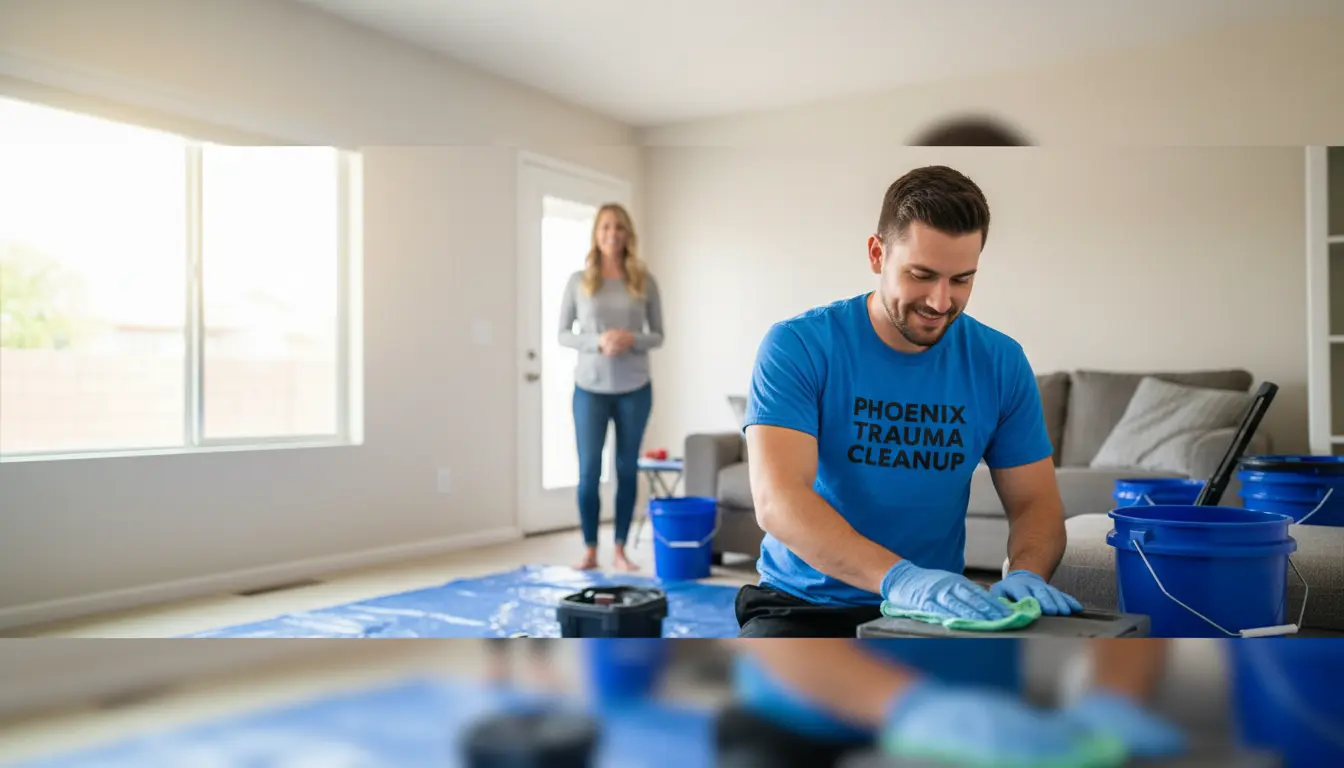
When a traumatic event occurs, the aftermath can be devastating, with severe health risks from biological contaminants that can linger long after the initial incident. In Phoenix, Arizona, the intense desert climate accelerates biological decomposition, making professional trauma cleanup crucial. Standard cleaning methods are insufficient for removing biohazards, which can lead to further contamination and serious health issues. This is where Phoenix Trauma Cleanup comes in, offering discreet and authoritative services to restore a safe environment.
The process of trauma cleanup involves a series of critical steps, each designed to eliminate the risk of infection and ensure the area is fully sanitized. Initially, a thorough site assessment is conducted to identify all areas of contamination. This is followed by the establishment of containment zones to prevent the spread of biohazards. The removal of biohazardous materials, deep sanitization, ATP verification, and final deodorization are all part of the meticulous process. In Phoenix, the extreme heat necessitates a rapid response to prevent the acceleration of biological decomposition, underscoring the importance of professional intervention.
Understanding the technical process behind trauma cleanup is essential for appreciating the value of professional services over standard cleaning methods. For instance, the use of HEPA air scrubbers and hydroxyl generators is based on the scientific principle of pathogen eradication at the cellular level and molecular odor destruction. This level of expertise, combined with adherence to OSHA and EPA guidelines, ensures that the cleanup is not only effective but also legally compliant.
Technical Process of Trauma Cleanup
The technical process of trauma cleanup is highly specialized, requiring specific tools and knowledge to ensure that all biohazards are removed and the area is fully sanitized. The initial site assessment is critical, as it determines the extent of the contamination and the necessary steps for remediation. Following this, biohazardous materials are carefully removed and disposed of according to strict regulatory guidelines. Deep sanitization of all surfaces, including those that may have come into contact with bodily fluids, is then performed using EPA-registered disinfectants. The process is verified through ATP testing to ensure that all pathogens have been eradicated. Finally, any lingering odors are eliminated through advanced deodorization techniques.
In Downtown Phoenix and surrounding areas like Arcadia and Ahwatukee Foothills, the unique environmental conditions, such as the dry climate and extreme temperatures, necessitate a tailored approach to trauma cleanup. This includes considerations for ventilation to prevent the spread of airborne pathogens and the use of specialized equipment to combat the accelerated decomposition caused by the heat.
Data Comparison
Comparing professional biohazard remediation to standard DIY or janitorial cleaning highlights the critical differences in effectiveness and safety. The following table illustrates these differences:
| Feature/Metric | Professional Remediation | DIY/Standard Cleaning |
|---|---|---|
| Pathogen Eradication | 99.99% effectiveness | Variable, often incomplete |
| Odor Elimination | Complete removal through advanced techniques | Temporary reduction, with potential for resurgence |
| Legal/Disposal Compliance | Full compliance with OSHA, EPA, and local regulations | Risk of non-compliance, with potential legal and health consequences |
Source: OSHA Bloodborne Pathogens Standard
Expert Insights
Professional trauma cleanup experts emphasize the importance of several key considerations during the remediation process. Firstly, the necessity of disposing of porous materials that have come into contact with biological fluids cannot be overstated, as these can harbor pathogens even after cleaning. Secondly, proper containment strategies are crucial to prevent the spread of biohazards to unaffected areas. Lastly, structural fluid inspection is vital to identify and address any subsurface contamination that could lead to future issues.
Common mistakes made by property owners include using household bleach on biological fluids, which can react with proteins in bodily fluids to create dangerous compounds, and failing to locate subsurface fluid seepage, which can lead to severe odor resurgence and lingering infectious pathogens. These mistakes underscore the need for professional intervention, where expertise and specialized equipment ensure a safe and thorough cleanup.
Pricing
The cost of trauma cleanup can vary widely depending on several factors, including the severity of the incident, the size of the area affected, and the extent of the necessary remediation. Key factors that influence pricing include:
- Severity of fluid penetration into subflooring or drywall, requiring more extensive removal and reconstruction
- Volume of regulated medical waste disposal, which must be handled and transported according to strict guidelines
- Required structural tear-out and reconstruction preparation, which can add significant cost to the overall project
Safety and Standards
The safety and standards aspect of trauma cleanup is paramount, with specific protocols in place to protect both the cleanup team and future occupants of the property. Adherence to OSHA compliance, state and federal biohazard waste transport regulations, and the use of EPA-registered, hospital-grade disinfectants are non-negotiable. These measures not only ensure the removal of pathogens and biohazards but also safeguard against future health risks and potential legal liabilities.
FAQ
What is the difference between trauma cleanup and standard cleaning?
Trauma cleanup involves the removal of biohazards and pathogens from a scene, typically following a traumatic event. It requires specialized training, equipment, and adherence to strict health and safety protocols to ensure the area is fully sanitized and safe for occupation. Standard cleaning, on the other hand, is designed to remove dirt, dust, and other non-biohazardous substances and does not address the specific risks associated with biological contaminants.
How long does trauma cleanup take?
The duration of trauma cleanup can vary significantly depending on the severity of the incident, the size of the area affected, and the extent of the necessary remediation. In some cases, the process can be completed within a few hours, while more complex scenarios may require several days or even weeks to ensure that all biohazards are removed and the area is fully sanitized.
Is trauma cleanup covered by insurance?
Insurance coverage for trauma cleanup varies by policy and provider. Some homeowners and business insurance policies may include provisions for biohazard removal and cleanup following a traumatic event. It is essential to review your policy or contact your insurance provider to understand what is covered and what additional steps you may need to take to ensure that your property is restored to a safe condition.
How can I find a reliable trauma cleanup service in Phoenix, Arizona?
Finding a reliable trauma cleanup service in Phoenix, Arizona, involves researching local providers, checking for certifications and compliance with OSHA and EPA regulations, and reading reviews from previous clients. A reputable service will be able to provide references, explain their process in detail, and offer a clear, compassionate approach to addressing your specific needs.
Conclusion
In conclusion, trauma cleanup is a critical service that requires professional expertise to ensure the safe and effective removal of biohazards following a traumatic event. The unique conditions in Phoenix, Arizona, including the extreme desert climate, necessitate a tailored approach that considers local variables such as ventilation and the accelerated decomposition of biological materials. By understanding the technical process, data comparison, expert insights, pricing, safety, and standards involved in trauma cleanup, property owners can make informed decisions about how to restore their properties to a safe and sanitary condition. For those in need of trauma cleanup services in Phoenix and surrounding areas, Phoenix Trauma Cleanup stands as a compassionate, highly trained, and legally compliant option, dedicated to providing the highest level of care and expertise in this critical field.
For more information on trauma cleanup and related services, please visit our blog, where you can find detailed guides and insights into the process, including boosting safety biohazard removal stats for AZ homes and debunking myths about suicide scene cleanup costs. Our team is committed to helping you navigate the complexities of trauma cleanup with sensitivity and professionalism.