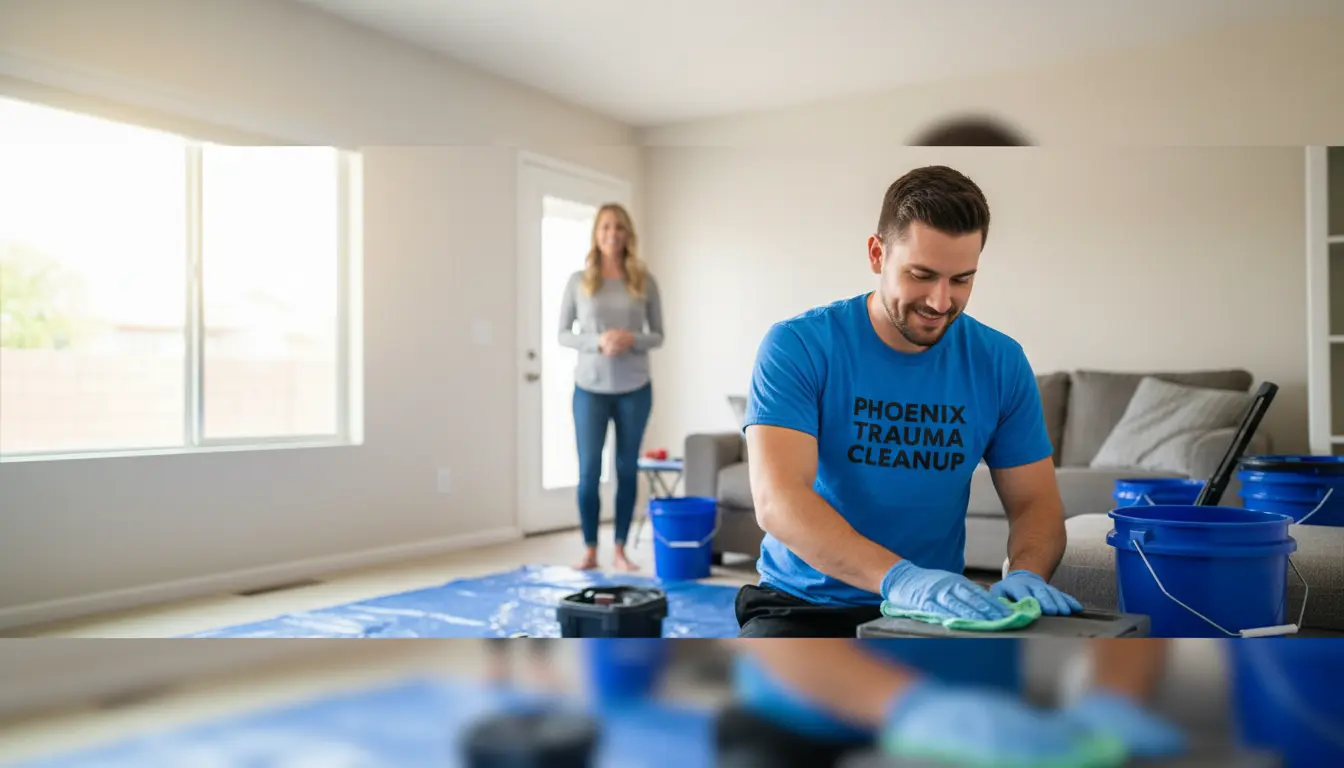
Trauma cleanup, also known as biohazard remediation, refers to the process of safely and effectively cleaning and disposing of biological contaminants, such as blood, bodily fluids, and other potentially infectious materials. This process is often confused with standard cleaning, but it requires specialized training, equipment, and procedures to ensure the complete removal of pathogens and the restoration of a safe environment. In Phoenix, Arizona, where the intense desert climate can accelerate the decomposition of biological materials, professional trauma cleanup is crucial to prevent the spread of diseases and ensure public health.
Phoenix property managers, in particular, need to be aware of the importance of having a reliable 24/7 trauma cleanup partner to handle any unexpected incidents that may occur on their properties. This is because trauma cleanup requires a prompt and thorough response to prevent the spread of infectious diseases and to minimize the risk of long-term damage to the property. Moreover, property managers have a legal and moral obligation to provide a safe and healthy environment for their tenants, and failure to do so can result in serious consequences, including fines, lawsuits, and damage to their reputation.
The consequences of not having a reliable trauma cleanup partner can be severe. For example, if a property manager fails to properly clean and disinfect a trauma scene, they may be putting their tenants at risk of contracting infectious diseases. Additionally, if the property is not properly restored, it may be rendered uninhabitable, resulting in lost revenue and potential legal liabilities. Therefore, it is essential for Phoenix property managers to have a trusted trauma cleanup partner that can respond quickly and effectively to any incident.
Technical Process of Trauma Cleanup
The technical process of trauma cleanup involves several steps, including initial site assessment, establishment of containment zones, biohazard removal, deep sanitization, ATP verification, and final deodorization. The initial site assessment is critical in determining the extent of the contamination and the necessary procedures for remediation. Containment zones are established to prevent the spread of pathogens and to ensure that the cleanup process is done in a safe and controlled manner.
Biohazard removal involves the safe and proper disposal of biological contaminants, including blood, bodily fluids, and other potentially infectious materials. This process requires specialized equipment, such as personal protective equipment (PPE), and trained technicians who understand the risks associated with biohazardous materials. Deep sanitization involves the use of EPA-registered disinfectants and other cleaning agents to eliminate any remaining pathogens and to restore the property to a safe and healthy condition.
ATP verification is an important step in the trauma cleanup process, as it ensures that the property has been properly sanitized and that there are no remaining pathogens. This process involves the use of ATP testing equipment, which measures the amount of adenosine triphosphate (ATP) present on surfaces. ATP is a molecule found in all living organisms, and its presence is an indicator of biological contamination. Final deodorization involves the use of specialized equipment, such as hydroxyl generators or ULV foggers, to eliminate any remaining odors and to restore the property to a fresh and clean condition.
For more information on the importance of professional biohazard cleanup, visit our 5 Signs You Need Professional Biohazard Cleanup Now page. Our team of experts is trained to handle all types of biohazardous situations, from property restoration to trauma scene cleanup.
Data Comparison Table
The following table compares the key features of professional biohazard remediation and standard DIY/janitorial cleaning:
| Feature/Metric | Professional Remediation | DIY/Standard Cleaning |
|---|---|---|
| Pathogen Eradication | Complete removal of pathogens using specialized equipment and procedures | Incomplete removal of pathogens, potentially leaving behind infectious materials |
| Odor Elimination | Complete elimination of odors using specialized equipment and procedures | Inadequate odor elimination, potentially leaving behind lingering odors |
| Legal/Disposal Compliance | Full compliance with all relevant laws and regulations regarding biohazardous waste disposal | Potential non-compliance with laws and regulations, resulting in fines and penalties |
Source: OSHA Bloodborne Pathogens Standard
Expert Insights
As a certified biohazard and trauma scene cleanup expert, I can attest to the importance of proper training, equipment, and procedures in ensuring the safe and effective removal of biological contaminants. Here are three advanced professional tips for trauma cleanup:
First, it is essential to use personal protective equipment (PPE) when handling biohazardous materials to prevent exposure to infectious diseases. Second, containment zones should be established to prevent the spread of pathogens and to ensure that the cleanup process is done in a safe and controlled manner. Third, ATP verification should be used to ensure that the property has been properly sanitized and that there are no remaining pathogens.
Common mistakes that property owners make when dealing with biohazardous situations include using household bleach on biological fluids, failing to locate subsurface fluid seepage, and not properly disposing of biohazardous waste. These mistakes can have severe consequences, including the spread of infectious diseases, long-term damage to the property, and potential legal liabilities.
For more information on the importance of proper biohazard cleanup, visit our Boosting Safety Biohazard Removal Stats For Az Homes page. Our team of experts is trained to handle all types of biohazardous situations, from aftermath cleanup to trauma scene cleanup.
Pricing
The cost of trauma cleanup services can vary depending on several factors, including the severity of the incident, the size of the property, and the type of services required. Here are some factors that can influence the cost of trauma cleanup:
- Severity of fluid penetration into subflooring/drywall
- Volume of regulated medical waste disposal
- Required structural tear-out and reconstruction prep
Our team of experts will work with you to provide a customized quote for your specific needs and ensure that you receive the highest level of service at a fair and competitive price.
Safety and Standards
At Phoenix Trauma Cleanup, we take safety and standards very seriously. We follow all relevant laws and regulations regarding biohazardous waste disposal, including OSHA compliance and EPA-registered disinfectants. Our team of experts is trained to handle all types of biohazardous situations, from trauma scene cleanup to suicide scene cleanup.
We understand the importance of providing a safe and healthy environment for our clients and their families. That’s why we use only the latest equipment and technology to ensure that our services are effective and efficient.
Frequently Asked Questions
What is the difference between trauma cleanup and standard cleaning?
Trauma cleanup, also known as biohazard remediation, refers to the process of safely and effectively cleaning and disposing of biological contaminants, such as blood, bodily fluids, and other potentially infectious materials. Standard cleaning, on the other hand, involves the removal of dirt, dust, and other substances from surfaces. While standard cleaning may involve some disinfection, it is not designed to handle the unique challenges of biohazardous materials.
How long does trauma cleanup take?
The time it takes to complete a trauma cleanup can vary depending on several factors, including the severity of the incident, the size of the property, and the type of services required. In general, trauma cleanup can take anywhere from a few hours to several days or even weeks to complete.
What are the risks of not having a reliable trauma cleanup partner?
The risks of not having a reliable trauma cleanup partner can be severe. Without proper training, equipment, and procedures, biohazardous materials can pose a significant risk to public health and safety. Moreover, failure to properly clean and dispose of biohazardous waste can result in fines, lawsuits, and damage to your reputation.
Can I do trauma cleanup myself?
No, trauma cleanup should only be done by trained professionals with the necessary equipment and expertise. Biohazardous materials can pose a significant risk to public health and safety, and improper handling can result in serious consequences, including the spread of infectious diseases and long-term damage to the property.
Professional Trauma Cleanup in Phoenix, Arizona
In conclusion, trauma cleanup is a critical service that requires specialized training, equipment, and procedures to ensure the safe and effective removal of biological contaminants. At Phoenix Trauma Cleanup, we understand the importance of providing a safe and healthy environment for our clients and their families. That’s why we offer 24/7 trauma cleanup services, including emergency response and discreet services. Our team of experts is trained to handle all types of biohazardous situations, from property restoration to trauma scene cleanup in Downtown Phoenix, Arcadia, Ahwatukee Foothills, Fountain Hills, Paradise Valley, Goodyear, Avondale, Surprise, Peoria, Gilbert, Chandler, and Glendale.
If you are in need of trauma cleanup services, do not hesitate to contact us. Our team of experts is available 24/7 to provide you with the highest level of service and support. We understand that trauma cleanup can be a difficult and emotional experience, and we are committed to providing you with the compassion, respect, and professionalism you deserve.