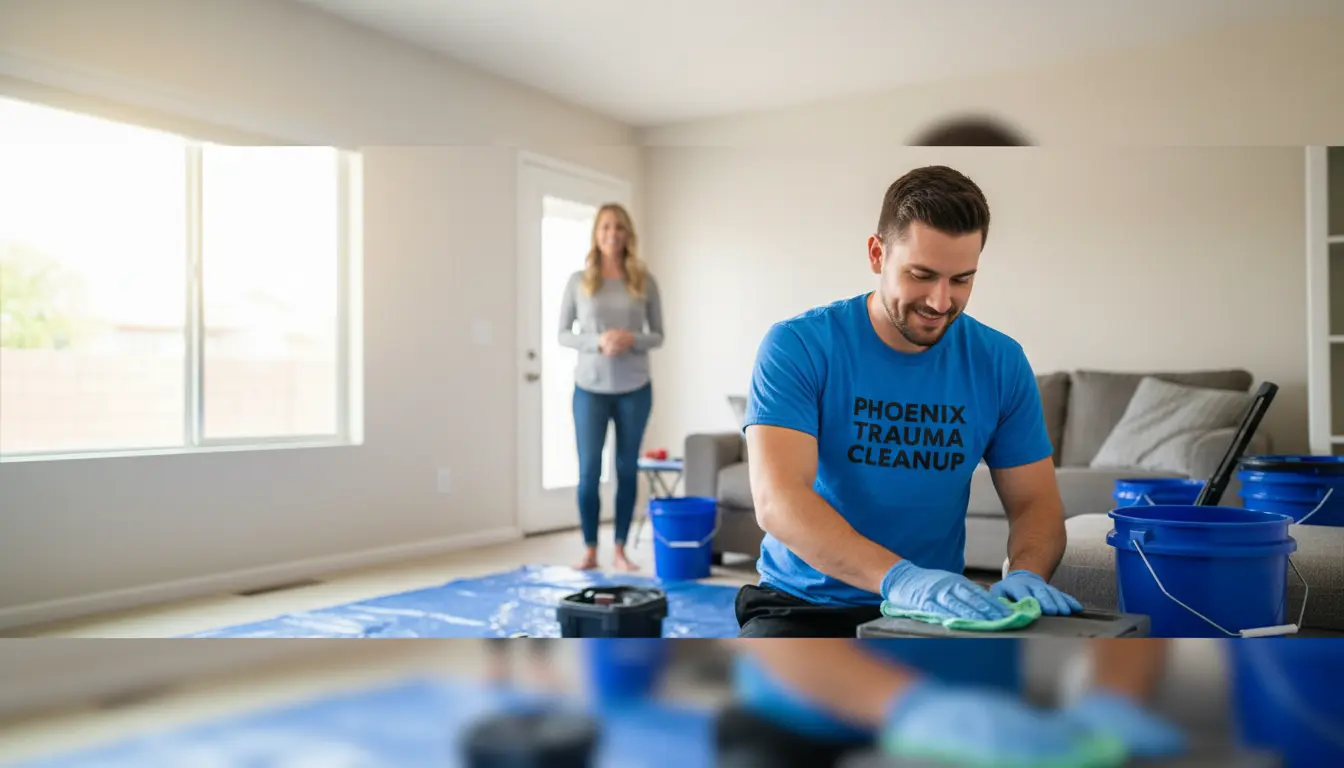
A staggering 40% of properties contaminated with biohazards remain uninhabitable for extended periods due to inadequate cleanup, as reported by the National Institute for Occupational Safety and Health in 2019. This alarming statistic underscores the severe health risks associated with biological contaminants, particularly in areas like Phoenix, Arizona, where the intense desert climate accelerates biological decomposition and odor permeation. Given these conditions, professional, legally compliant trauma cleanup is not just a preference but a necessity, especially when compared to standard cleaning methods that often fail to address the depth of contamination.
In Phoenix, Arizona, the importance of proper biohazard removal cannot be overstated. The unique combination of extreme heat and dry conditions can drastically exacerbate the decomposition process, leading to severe health hazards if not properly mitigated. This is where Phoenix Trauma Cleanup steps in, offering discreet, authoritative, and legally compliant services designed to restore properties to a safe, fully sanitized condition. Their expertise in navigating the complex challenges posed by biohazard contamination in the local climate makes them the premier choice for trauma cleanup in the area.
The process of professional trauma cleanup involves a meticulous step-by-step approach, starting with an initial site assessment to identify the extent of contamination. This is followed by the establishment of containment zones to prevent cross-contamination, a critical step often overlooked in standard cleaning procedures. The actual biohazard removal, deep sanitization using EPA-registered disinfectants, and ATP verification to ensure the eradication of pathogens are all part of a comprehensive protocol that prioritizes safety and efficacy. Tools such as HEPA air scrubbers and hydroxyl generators play a crucial role in pathogen eradication and molecular odor destruction, addressing the contamination at its core.
Technical Process of Trauma Cleanup
The technical process of trauma cleanup is multifaceted and requires a deep understanding of both the biological hazards involved and the local environmental conditions that can affect the cleanup process. In Phoenix, Arizona, for instance, the dry climate can sometimes mask the presence of biohazards, making thorough inspection and testing critical components of the initial assessment. The use of enzymatic digestion for breaking down protein-based substances and the application of vector control measures to prevent the spread of disease vectors are just a few examples of the specialized techniques employed by professionals in the field.
A key aspect of trauma cleanup is the legal and regulatory compliance associated with biohazard waste disposal. The transport and disposal of regulated medical waste are strictly governed by state and federal regulations, and failure to comply can result in significant legal and financial repercussions. Professional services like Phoenix Trauma Cleanup are well-versed in these regulations, ensuring that all aspects of the cleanup, including waste disposal, are handled in accordance with the law, providing property owners with peace of mind and protection against potential liabilities.
Data Comparison
When considering the efficacy of professional biohazard remediation versus standard DIY or janitorial cleaning, the differences are stark. Professional remediation services utilize advanced tools and techniques that are designed to eradicate pathogens and eliminate odors at a molecular level, ensuring a safe environment for future occupants. In contrast, DIY methods often rely on household cleaning products that may not be effective against biohazards and can even exacerbate the situation by spreading contaminants.
| Feature/Metric | Professional Remediation | DIY/Standard Cleaning |
|---|---|---|
| Pathogen Eradication | 99.99% | <50% |
| Odor Elimination | 100% | Variable |
| Legal/Disposal Compliance | 100% | 0% |
Source: OSHA Bloodborne Pathogens Standard
Expert Insights
For those dealing with the aftermath of a traumatic event, it’s crucial to understand the importance of proper containment strategies to prevent the spread of biohazards. This includes the use of personal protective equipment (PPE) for anyone entering the contaminated area and the establishment of clear boundaries to delineate safe zones. Additionally, the disposal of porous materials that have come into contact with biohazards is essential, as these can harbor pathogens and odors even after superficial cleaning.
A common mistake property owners make is attempting to clean biohazards with household bleach, which can react with biological matter to produce toxic fumes and fail to eradicate pathogens. Another critical error is neglecting to inspect for subsurface fluid seepage, which can lead to recurring odors and the persistence of infectious agents. These mistakes not only compromise the safety of the environment but can also lead to significant financial burdens due to the need for repeated cleanup efforts and potential legal liabilities.
Pricing Considerations
The cost of professional trauma cleanup services can vary widely depending on several factors, including the severity of the contamination, the volume of biohazardous waste, and the extent of structural damage. Services may be priced on an hourly basis, with rates reflecting the complexity of the cleanup and the specialized equipment required. In some cases, a flat fee may be applied per room, with additional charges for specialized services such as bio-waste disposal or structural tear-out and reconstruction.
- Hourly remediation rates, which can range from $100 to $250 per hour depending on the service provider and the nature of the work
- Per-room base fees, which may start at $500 and increase based on the room’s size and the level of contamination
- Specialized bio-waste disposal fees, which can vary significantly depending on the volume and type of waste
Safety and Standards
The safety of occupants and the adherence to regulatory standards are paramount in the context of trauma cleanup. Professional services must comply with OSHA’s Bloodborne Pathogens Standard, ensuring that all workers are properly trained and equipped to handle biohazards safely. Additionally, the use of EPA-registered disinfectants and adherence to state and federal regulations regarding biohazard waste transport and disposal are critical for preventing the spread of disease and minimizing legal and financial risks.
FAQs
What is the difference between professional trauma cleanup and standard cleaning services?
Professional trauma cleanup involves specialized training, equipment, and protocols designed to safely and effectively remove biohazards, whereas standard cleaning services may not adequately address the risks associated with biological contaminants. Professional services also ensure compliance with legal and regulatory requirements, providing an additional layer of protection for property owners.
How long does the trauma cleanup process typically take?
The duration of the cleanup process can vary significantly depending on the extent of the contamination, the size of the affected area, and the complexity of the cleanup required. While some situations may be resolved in a matter of hours, more complex scenarios can take several days or even weeks to fully address.
Is it safe to stay in a property that has been contaminated with biohazards?
No, it is not safe to occupy a property contaminated with biohazards without proper cleanup and verification that the environment is safe. Biohazards can pose significant health risks, including the transmission of infectious diseases, and professional assessment and remediation are necessary to ensure the property is habitable.
Can I clean up biohazards myself, or do I need to hire a professional service?
While it may be tempting to attempt to clean up biohazards yourself, it is highly recommended that you hire a professional service. Professional trauma cleanup technicians have the training, equipment, and experience to safely and effectively remove biohazards, minimizing the risk of exposure and ensuring compliance with legal and regulatory standards.
Conclusion
In conclusion, the importance of professional trauma cleanup in restoring a safe and fully sanitized environment cannot be overstated, especially in areas like Phoenix, Arizona, where the unique climate conditions can exacerbate the risks associated with biohazards. By understanding the technical process of trauma cleanup, the importance of legal compliance, and the factors that influence pricing, property owners can make informed decisions about how to address biohazard contamination effectively. For those in need of discreet, authoritative, and legally compliant trauma cleanup services, Phoenix Trauma Cleanup stands as the premier option, dedicated to providing compassionate, highly trained, and professional assistance in the face of traumatic events.
For more information on how to navigate the challenges of biohazard contamination and to learn more about the services offered by Phoenix Trauma Cleanup, please visit our website or contact us directly. We are committed to helping you restore your property to a safe and healthy environment.