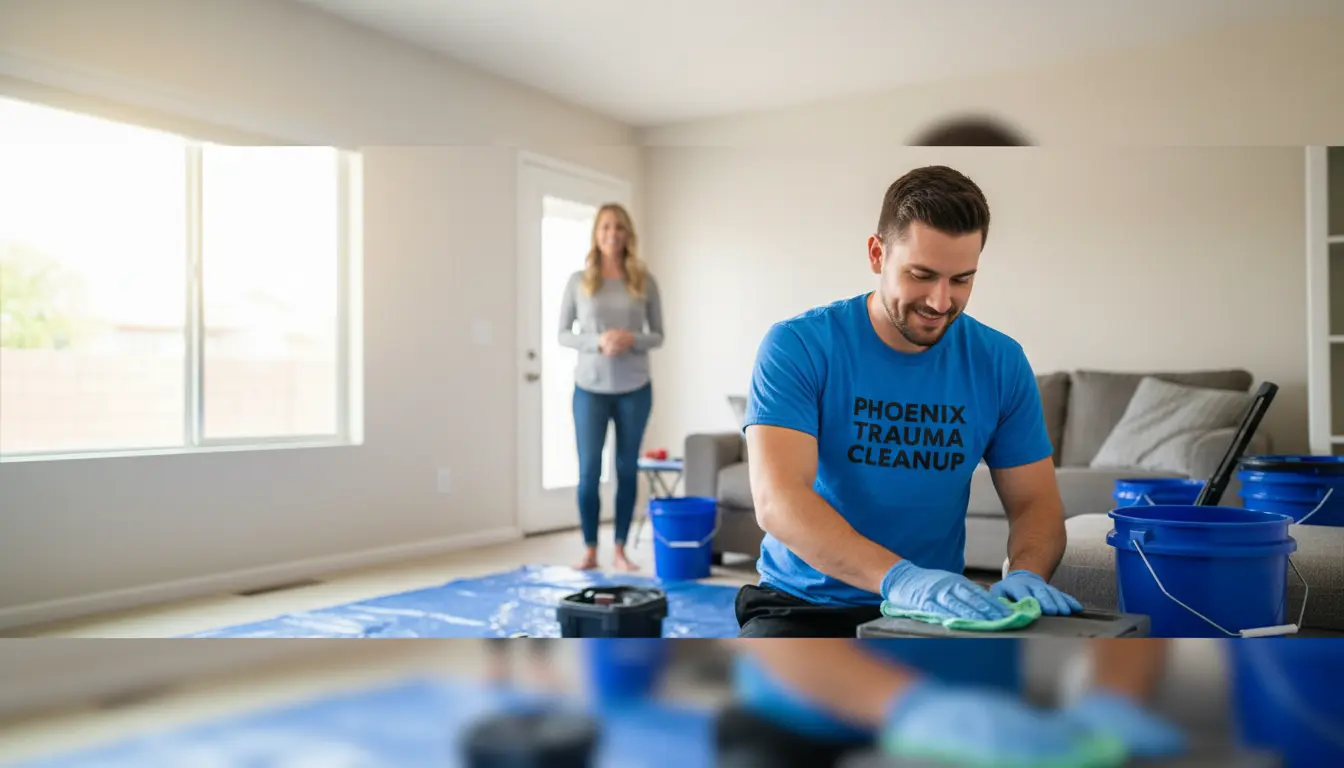
In the scorching summer heat of Phoenix, Arizona, a traumatic event can leave behind more than just emotional scars. The intense climate can accelerate the decomposition of biological contaminants, posing severe health risks to those exposed. This is where professional trauma cleanup companies, like Phoenix Trauma Cleanup, play a critical role in reducing emotional stress and restoring a safe environment. For instance, in the aftermath of a traumatic event, the police may have left, but the biological hazards remain, requiring specialized cleanup and disposal to prevent the spread of infectious diseases, as outlined in our article on what happens after police leave.
The importance of professional trauma cleanup cannot be overstated, especially in a region like Phoenix, where the dry climate and extreme temperatures can affect the ventilation and structural integrity of buildings. Standard cleaning methods are insufficient for removing biohazardous materials, which can lead to cross-contamination and prolonged exposure to harmful pathogens. Phoenix Trauma Cleanup, with its team of certified experts, is equipped to handle the complexities of trauma cleanup, ensuring compliance with OSHA and EPA regulations.
The company’s expertise extends beyond the technical aspects of cleanup to encompass the emotional and psychological support needed by families and individuals affected by traumatic events. By providing discreet and compassionate services, Phoenix Trauma Cleanup helps reduce the emotional stress associated with trauma, allowing those affected to begin the healing process in a safe and sanitized environment. For more information on the importance of professional biohazard cleanup, visit our blog, which features articles on boosting safety through biohazard removal and debunking myths about suicide scene cleanup costs.
Trauma Cleanup Process
The trauma cleanup process involves several critical steps, each designed to ensure the thorough removal of biohazardous materials and the restoration of a safe environment. Initially, a site assessment is conducted to identify the extent of the contamination and the necessary personal protective equipment (PPE) for the cleanup team. This assessment also helps in establishing containment zones to prevent cross-contamination. For a comprehensive guide on trauma cleanup, refer to our ultimate guide to trauma cleanup in Phoenix, AZ.
Following the assessment, the biohazard removal process begins, involving the careful collection and disposal of biological fluids, tissues, and other contaminated materials. This step is crucial in preventing the spread of infectious diseases and requires specialized equipment and training. The use of HEPA air scrubbers, hydroxyl generators, and ULV foggers is common in this process, as they help in eradicating pathogens at the cellular level and destroying molecular odors. To learn more about the essential tips for aftermath cleanup in Arizona, visit our tips page.
After the removal of biohazardous materials, the area undergoes deep sanitization using EPA-registered disinfectants. This step is vital for ensuring that all surfaces are free from pathogens. The process concludes with ATP verification to confirm the effectiveness of the sanitization and final deodorization to eliminate any lingering odors. Understanding the difference between professional biohazard remediation and standard DIY or janitorial cleaning is crucial, as highlighted in the comparison below.
Data Comparison
| Feature/Metric | Professional Remediation | DIY/Standard Cleaning |
|---|---|---|
| Pathogen Eradication | 99.99% effective against a broad spectrum of pathogens | Variable effectiveness, often leaving behind residual pathogens |
| Odor Elimination | Complete elimination of molecular odors | Temporary reduction or masking of odors |
| Legal/Disposal Compliance | Full compliance with OSHA, EPA, and local regulations | Often non-compliant, posing legal and health risks |
Source: OSHA Bloodborne Pathogens Standard
Expert Insights
Professional trauma cleanup experts emphasize the importance of porous material disposal, proper containment strategies, and structural fluid inspection to prevent the spread of contaminants and ensure a thorough cleanup. Common mistakes, such as using household bleach on biological fluids or failing to locate subsurface fluid seepage, can lead to severe consequences, including odor resurgence and the persistence of infectious pathogens. For guidance on choosing reliable trauma services and understanding the signs you need professional biohazard cleanup, consult our resources.
Pricing
The cost of trauma cleanup services can vary widely, depending on factors such as the severity of the incident, the volume of biohazardous materials, and the extent of structural damage. Pricing structures may include hourly remediation rates, per-room base fees, or specialized bio-waste disposal fees. Understanding these factors and how they influence the cost is crucial for property owners and individuals seeking trauma cleanup services.
- Hourly remediation rates can range from $100 to $300 per hour, depending on the complexity of the cleanup and the expertise required.
- Per-room base fees may apply, especially in cases where the contamination is confined to a specific area.
- Specialized bio-waste disposal fees are additional costs that depend on the volume and type of biohazardous materials requiring disposal.
Safety and Standards
Safety and compliance with regulatory standards are paramount in trauma cleanup. Phoenix Trauma Cleanup adheres strictly to OSHA protocols, state and federal biohazard waste transport regulations, and uses EPA-registered disinfectants to ensure the highest level of safety and effectiveness. This commitment to safety not only protects the health of those exposed but also ensures compliance with legal requirements, thereby mitigating potential liabilities.
FAQ
What is the importance of using EPA-registered disinfectants in trauma cleanup?
The use of EPA-registered disinfectants is critical in trauma cleanup as these products are proven to be effective against a broad spectrum of pathogens, including viruses, bacteria, and fungi. They play a key role in preventing the spread of infectious diseases and ensuring the sanitization of the affected area.
How do I choose a reliable trauma cleanup service?
Choosing a reliable trauma cleanup service involves researching the company’s credentials, including its compliance with OSHA and EPA regulations, its experience in handling similar incidents, and its commitment to customer service and discretion. It’s also important to ensure that the company is locally based and understands the specific challenges posed by the local climate and environmental conditions.
What are the health risks associated with DIY trauma cleanup?
DIY trauma cleanup poses significant health risks, including exposure to bloodborne pathogens, airborne pathogens, and other biological contaminants. Without proper training, equipment, and personal protective gear, individuals attempting DIY cleanup can suffer from serious health consequences, including infections and diseases.
Can I use household bleach for cleaning biological fluids?
No, household bleach is not recommended for cleaning biological fluids. Bleach can react with proteins in blood and other bodily fluids to form harmful compounds and may not effectively kill all pathogens, potentially leaving behind residual contamination.
Professional Trauma Cleanup in Phoenix, Arizona
In conclusion, the role of professional trauma cleanup companies in reducing emotional stress and restoring safe environments after traumatic events cannot be overstated. Phoenix Trauma Cleanup, with its expertise, compassion, and commitment to safety and regulatory compliance, stands as a premier service provider in Phoenix, Arizona. Whether you are dealing with the aftermath of a traumatic event or seeking guidance on how to navigate the complex process of trauma cleanup, Phoenix Trauma Cleanup is the reliable and authoritative partner you can trust. For more information or to inquire about our services, please visit our contact page or learn more about our team and the areas we serve, including Downtown Phoenix, Arcadia, Ahwatukee Foothills, Fountain Hills, Paradise Valley, Goodyear, Avondale, Surprise, Peoria, Gilbert, Chandler, Glendale, and Mesa.